Download A Manual of Human Microscopic Anatomy (Classic Reprint) - Albert Von Kolliker | PDF
Related searches:
Properties of the light microscope: light intensity and magnification. Observe effects of magnification on width and depth of field.
Examination and measurement of the human bodymanual of practical morbid anatomya.
This chapter reviews the varied mechanical and physiological functions of bones as organs. These functions are intimately related to the gross and microscopic (including molecular) structure of bone tissue. There are four major factors leading to variation in human skeletal anatomy.
Of skeletal muscle engineering 4th solutions manual, to the pdf filecurvecarleton chapter 14 human genetics ppt, treatment manual.
It is made up of 24 bones known as vertebrae, according to spine universe. The spine provides support to hold the head and body up straight.
Gross anatomy is the study of anatomy at the visible or macroscopic level. The counterpart to gross anatomy is the field of histology, which studies microscopic anatomy. Gross anatomy of the human body or other animals seeks to understan.
We continue to monitor covid-19 cases in our area and providers will notify you if there are scheduling changes. We are providing in-person care and telemedicine appointments.
1) consists of nerve fibers within the confines of connective tissue layers (endoneurium, perineurium and epineurium) and augmented by blood vessels, lymphatics, and nervi nervorum. Once a peripheral nerve is injured, a complex and exquisitely regulated sequence of events begins to remove.
Human anatomy is the study of the structure of the human body on a large and small scale.
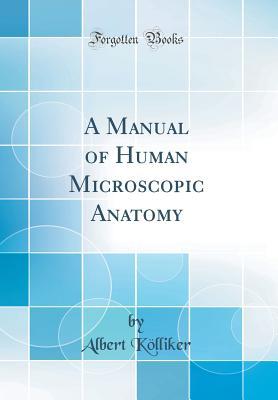
A manual of human microscopic anatomy- albert kölliker 1860.
Scanning electron microscope (sem) studies of human ependyma from the lateral ventricle. Upper: low kolliker a: a manual of human microscopic anatomy.
Krstic, is well-known internationally for his excellent histological drawings.
Clinically oriented human microscopic anatomy (anat 6150) description� anat 6150 is a new graduate course for certificate level designed to provide knowledge about the normal histological structure of cells, tissues and organs of the human body with a strong emphasis on clinical relevance.
Human anatomy lab manual, 3rd edition by christine eckel (9781259872686) preview the textbook, purchase or get a free instructor-only desk copy.
Human beings are arguably the most complex organisms on this planet. Imagine billions of microscopic parts, each with its own identity, working together in an organized manner for the benefit of the total being. The human body is a single structure but it is made up of billions of smaller structures of four major.
Krstic, is well-known internationally for his excellent histological drawings. This atlas is an excellent supplement to conventional histology textbooks, for students, teachers and professionals alike.
The shoulder joint is the connection between the chest and the upper extremity. Jonathan cluett, md, is board-certified in orthopedic surgery.
Human microscopic anatomy (anat 6150) description: anat 6150 is a graduate course for certificate level designed to provide knowledge about the normal histological structure of cells, tissues and organs of the human body with a strong emphasis on the clinical relevance.
The study of the structure of cells, tissues, and organs of the body as seen with a microscope.
Microscopic anatomy, also known as histology, is the study of cells and tissues of animals, humans, and plants.
A manual of human microscopic anatomy by kölliker, albert, 1817-1905.
Compound microscope is known as monocular compound microscope. So there are 2 eye pieces and specimen can be viewed by both the eyes. Such type of compound microscope is known as binocular compound microscope. In the research work generally bioncular compound microscope is used.
The biodiversity heritage library works collaboratively to make biodiversity literature openly available to the world as part of a global biodiversity community.
You remember a little ditty about the thigh bone being connected to the hip bone, which was in turn connected to the backbone. But what else do you remember about human anatomy? the answers to this quiz are all inside of you -- literally.
The spleen is the largest single accumulation of lymphoid tissue in the human body. It is also the most important in-line filter for the blood vascular system. Its primary function is to remove (1 x 10 6 /second) wornout red blood cells and to store and recycle their component parts.
Microscopic and then proceed to the gross anatomy of each organ system. When considering events from the microscopic to the macroscopic scale, we will examine several interdependent levels of organization. 0 objectives at the end of this unit, you should be able to: •to have an overview of microscopic anatomy of the human body.
A manual of human microscopic anatomy [kolliker, albert 1817-1905] on amazon.
''something of a classicconveys a basic understanding of the elements in histology and the microscopic anatomy of the human body.
Few of us think much about our backs' anatomy until it goes out of whack. Familiarize yourself with the parts of your back and why they are causing you pain.
5 cell structure and function 6 movements through membranes 7 cell cycle.
Julius ogeng'o, department of human anatomy university of nairobi po box 30197 00100 nairobi. Microscopic, developmental anatomy, neuroanatomy, involvement of clinicians in teaching, a structured dissection manual with clear.
Course overview: human microscopic and gross anatomy (bio 446l) is an upper division lecture and lab course designed for biology and health careers majors. This course will provide students with an intensive survey of the microscopic and gross anatomy of various human tissues and organs.
Genre/form: advertisements: additional physical format: online version: kölliker, albert, 1817-1905.
Of the microanatomy of cells, tissues, and organs as seen through a microscope. The atlas of human histology: a guide to microscopic structure of cells,.
The microscope must accomplish three tasks: produce a magnified image of the specimen, separate the details in the image, and render the details visible to the human eye or camera. This group of instruments includes not only multiple-lens designs with objectives and condensers, but also very simple single lens devices that are often hand-held.
Post Your Comments: