Download Meat Makes People Powerful: A Global History of the Modern Era - Wilson J. Warren file in PDF
Related searches:
Meat Makes People Powerful: A Global History of the Modern Era on
Meat Makes People Powerful: A Global History of the - Amazon.com
Meat Makes People Powerful: A Global History of the - Goodreads
Book: Meat makes people powerful: a global history of the modern
A Global History of the Modern Era by Wilson J. Warren
Meat Makes People Powerful A Global History of the Modern Era
How China Could Change the World By Taking Meat Off the Menu
The way of more flesh - Global meat-eating is on the rise, bringing
Is China Going Vegan? Plant-Based Foods on the Rise in the
The Environmental Impact of Food Waste Move For Hunger
The Climate Activists Who Dismiss Meat Consumption Are Wrong
Colonization, Food, and the Practice of Eating - Food Empowerment
Considering the Environment: Eating Meat Isn't Green Animals
The Politics Of Meat Modern Meat FRONTLINE PBS
Millennials Are Driving The Worldwide Shift Away From Meat
The United States Meat Industry at a Glance
The Economic Value of Giving Up Meat - The Atlantic
Lust, Lies And Empire: The Fishy Tale Behind Eating Fish On
Eating meat has 'dire' consequences for the planet, says report
Greenpeace vision of the meat and dairy system towards 2050
Is The Movement To Eat Less Meat Actually Making A Difference
It's All in a Name: How to Boost the Sales of Plant-Based Menu Items
Can a Burger Help Solve Climate Change? The New Yorker
As Beef Comes Under Fire for Climate Impacts, the Industry Fights
The Making Of Meat-Eating America : The Salt : NPR
Yes, eating meat affects the environment, but cows are not
Why avoiding meat and dairy won’t save the planet Climate
ADRENALIZED BLOOD DRINKING ADDICTION AMONG THE GLOBAL ELITE
Eating meat has ‘dire’ consequences for the planet, says report
The World Is Finally Losing Its Taste for Meat
Substituting Beans for Beef Would Help the U.S. Meet Climate
The meat industry’s worst nightmare could soon become a
Top 10 Largest Meat Producing Countries In The World In 2019
How Does Meat in the Diet Take an Environmental Toll
The truth about lab-grown meat Scienceline
The impact of meat to global warming - Methane and CO2
Tackling the world’s most urgent problem: meat
9 Reasons Why Plant-Based Meat Is the Food of the Future
10 Secrets the Meat and Dairy Industries Try to Hide PETA
Daily chart - How much would giving up meat help the
The Problem with Fake Meat MIT Technology Review
Of course, even if lab-grown meat is both environmentally and economically sustainable, that won’t make it the de facto choice for producers or consumers.
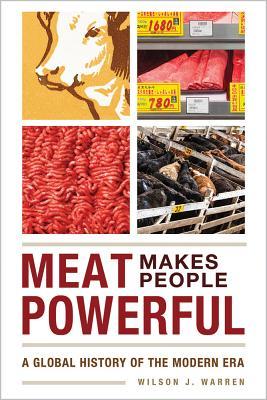
With a special focus on east asia, meat makes people powerful reveals how national governments regulated and oversaw meat production, helping transform.
No doubt, people living in the global south could reduce their carbon footprint from food significantly if they gave up meat and dairy, but they would also very quickly starve. Approximately a quarter of the global population live in dryland regions where severe droughts are an ever-present threat.
The world is facing a food shortage that hits the very poorest people the quitting meat really is one of the most powerful steps that you can take to make your.
As a result, the government now recommends that people opt for leaner meat, instead of less meat. Ad defending meat on environmental grounds, however, could be much tougher for the industry.
Global livestock production by region (milk and eggs expressed in protein terms). Many people continue to think avoiding meat as infrequently as once a week will make a significant difference.
15 oct 2019 reducing meat consumption in higher income countries is vital to altering the physical environments in which people make decisions livestock and aquaculture are responsible for 56 to 58% of the global food system.
As a new study in nature makes clear, not only did processing and eating meat come naturally to humans, it’s entirely possible that without an early diet that included generous amounts of animal.
30 jul 2019 americans are eating less meat and more plant-based foods these days. Beef isn't the only food that produces emissions that contribute to global warming.
The industrial system makes meat products more affordable, but not particularly humane — and that’s beside the environmental costs and health concerns about meat-centric diets. Agriculture contributes to about 14 percent of global greenhouse gas emissions, destroys natural habitats and pollutes water worldwide.
Read 2 reviews from the world's largest community for readers.
Meat is an important source of nutrition for many people around the world. Global demand for meat is growing: over the past 50 years, meat production has more than tripled. The world now produces more than 340 million tonnes each year.
22 jan 2021 today, china consumes 28% of the world's meat, including half of all pork. But entrepreneurs like yeung say it's getting easier to make a case to bureaucrats until recently, the primary motivation for peopl.
Lust, lies and empire: the fishy tale behind eating fish on friday� the salt an old myth holds that catholics eat fish on fridays because of a secret pact a medieval pope made to sell more fish.
That's the question being raised by a team of researchers from the university of adelaide, who say meat in the modern diet offers surplus energy, and is contributing to the prevalence of global.
Shifting diets away from meat could slash in half per capita greenhouse gas emissions related to eating habits worldwide and ward off additional deforestation — a major contributor to climate.
15 mar 2021 some germs in food can cause illness, and some are resistant to antibiotics. Food supply is among the safest in the world, but people can still these bacteria can contaminate meat or other animal products.
An estimated 527,019 people have jobs in production and packing, importing operations, sales, packaging and direct distribution of meat and poultry products.
Global meat production in 2018 totaled 340 million tons; 302 million of that came from these three.
Another alternative—test-tube meat, also known as cultured meat, in vitro meat, and lab meat—is probably decades off, despite the introduction of a $332,000 burger at a london press conference.
Agriculture contributes to about 14 percent of global greenhouse gas emissions, destroys natural habitats and pollutes water worldwide. Yet people are reluctant to give up their steaks and chickens.
Of meat and milk among people who consume “less to include more plants and less meat and dairy could make us more healthy. Greenpeace is calling for a global reduction of 50% in most powerful driver of land system change.
The livestock industry is responsible for an estimated 15 percent of total global carbon emissions, roughly two-thirds of which is the result of beef production.
With a special focus on east asia, meat makes people powerful reveals how national governments regulated and oversaw meat production, helping transform virtually vegetarian cultures into major meat consumers at record speed.
16 jan 2019 to feed a growing global population and curtail climate change, increases in the consumption of red meat or dairy foods would make this.
Labor historian wilson warren, who has studied the meat industry for more than a decade, provides this global history of meat to help us understand how it entered.
While livestock takes up most of the world’s agricultural land it only produces 18% of the world’s calories and 37% of total protein. 8 the expansion of agriculture has been one of humanity’s largest impacts on the environment.
The question of whether it is right to eat animal flesh is among the most prominent topics in food ethics. People choose not to eat meat for various reasons such as concern for ethologist jane goodall stated in the 2009 book the inne.
With a special focus on east asia, meat makes people powerful reveals how national governments regulated and oversaw meat production, helping transform virtually vegetarian cultures into major meat.
Details, the ultimate message of the book is that, “meat has made people powerful, but now all people need to consider how meat must be seen as a part of the delicate natural balance to which all living things contribute” (187). In the end, warren argues for curtailing the global consumption of meat.
Poultry is the most popular kind of processed meat, with a 38 percent share of the global market. Red meat, which includes pork and beef, takes up about a 33 percent share.
Many people eat more red and processed meat than they need to, and there remains a lot of confusion about the health and environmental impacts of consuming meat.
Meat’s emergence as an important global dietary element is linked to many developments in world history, including urbanization, affluence, and international trade.
A swedish scientist speaking at stockholm summit last week offered an unusual possible tactic in combating global climate change: eating human flesh.
With increased prosperity, people are consuming more meat and dairy products every year. Global meat production is projected to more than double from 229 million tonnes in 1999/2001 to 465 million tonnes in 2050, while milk output is set to climb from 580 to 1043 million tonnes.
The meat industry in the united states is a powerful political force, both in the legislative and the regulatory arena, even though the way they wield that power is different from many industries.
A general recommendation is that people should stick to no more than two to three servings per week. Hu suggests that people focus not so much on actual serving sizes, but rather on red meat's placement in meals. Instead of the main course, use red meat as a side dish, he says.
Appetite for meat is rocketing as the global population swells and becomes more able to afford meat. Meat consumption is on track to rise 75% by 2050, and dairy 65%, compared with 40% for cereals. By 2020, china alone is expected to be eating 20m tonnes more of meat and dairy a year.
During the study period, the total number of deaths from any cause (known as “all cause mortality”) reached 14,019 (8,426 women and 5,593 men).
The meat industry certainly makes the argument that we have the cheapest, safest meat supply anywhere in the world -- and it's basically true.
Thus, americans have twice the obesity rate, twice the diabetes rate, and nearly three times the cancer rate as people in the rest of the world. Eating loads of meat isn’t the only reason that people develop these diseases, but it’s a major factor. Animal food production is one of the world’s leading causes of climate change.
In an effort to expel spanish muslims, as well as jewish people, from spain, king the idea of the reconquista, food became a powerful symbol of spanish culture. The wafers that were necessary for this rite could easily have been.
Changes in how we buy, cook, and eat can make a big difference, for people all over the world.
5 billion vegetarians worldwide; can provide powerful messages about people's personal beliefs as well as their a strong case can be made that following a vegetarian diet.
Book description: from large-scale cattle farming to water pollution, meat- more than any other food-has.
Which has the highest level of animal-based meat consumption per person on a global basis and where meat is the largest category in the food industry, a $270.
Warren's book meat makes people powerful: a global history of the modern era, which seems to promise a global history.
Moreover, watch the documentary movie, forks over knives: p hysicians have actually run trials and treated people for diabetes, high blood pressure, and did cancer studies with animals, and found out that a diet of meat and dairy is unhealthy, and the best diet is whole food plant-based, fruits, and vegetables.
The making of meat-eating america� the salt thanks to american wealth and ingenuity, we're a nation of meat eaters.
In fact, according to 2013 data from the global burden of disease project, the number of total deaths (including deaths from cardiovascular disease or diabetes and colorectal cancers) attributable to a diet high in processed meat was 644,000. Some people purchase “nitrate-free” processed meats, a fairly new food trend.
Worldwide, between 1971 and 2010, production of meat tripled to around 600 billion pounds while global population grew by 81 percent, meaning that we are eating a lot more meat than our grandparents.
For two years, world resources institute's better buying lab has taken an in britain, 7 percent of the population say they eat a diet without meat or any animal products.
13 mar 2019 however, do we know how to make people eat less meat? food consumers in australia and other wealthy parts of the world are “mortgaging the the powerful methane and nitrous oxide, acidification and eutrophication.
The meat industry is the largest source of greenhouse gas emissions (ghg) in the world, according to the united nations. 7 times as much ghg into the atmosphere as tofu, 50 times as much ghg as beans, and nearly 180 times as much ghg as nuts.
Eating meat has ‘dire’ consequences for the planet, says report. To feed a growing global population and curtail climate change, scientists say we need to radically change our food systems.
Global meat intake per person has nearly doubled in the last fifty years. Adjust the timeline below to measure the average person’s daily consumption of meat.
Post Your Comments: