Read Intellectual Disability and Stigma: Stepping Out from the Margins - Katrina Scior file in PDF
Related searches:
Intellectual Disability and Stigma: Stepping Out from the
Intellectual Disability and Stigma: Stepping Out from the Margins
Intellectual Disability and Stigma - Stepping Out from the
Intellectual disability and stigma : stepping out from the
Stigma in the field of intellectual disabilities: Impact and initiatives for
Stigma and Intellectual Disability - The Council on Quality
Stigma and restriction on the social life of families of children with
Breaking the Stigma: Sexuality and Disability SOLUTIONS FOR
Time to finally remove the stigma from the intellectually disabled
Stigma and intellectual disability: potential application of mental
Intellectual disability stigma and initiatives to challenge it and
Disability Stigma and Your Patients Rehabilitation Research and
Stigma and intellectual disability: A review of related measures and
Stigma, intellectual disabilities and psychological distress
INTELLECTUAL DISABILITY AND STIGMA
How Stigma Affects the Lives of People with Intellectual Disabilities
Reducing the Stigma of Intellectual Disabilities: The Evolution of
Intellectual Disability and Stigma SpringerLink
Amazon.com: Intellectual Disability and Stigma: Stepping Out
Full article: Intellectual disability and stigma: stepping
(PDF) Stigma and intellectual disability: Potential
Stigma in the Area of Intellectual Disabilities: Examining a
Stigma, discrimination and mental illness - Better Health Channel
Stigma and discrimination - research and statistics Mencap
'Disability is not inability': breaking down stigma and helping
5. Ableism, negative attitudes, stereotypes and stigma Ontario
Beyond Labels: Erasing the Stigma of Invisible Disability - YouTube
Disability stigma in the Inclusion Works programme - IDS OpenDocs
Intellectual Disability and Stigma: an Ontario Perspective
Breaking the stigma behind disabilities - The Snapper
How do We Reduce the Stigma on People with Disabilities
Self Stigma in People with Intellectual Disabilities and
Knowledge, inclusion attitudes, stigma and beliefs regarding
The stigma of intellectual disability dismantled Result In
Historical And Contemporary Perspectives on Intellectual
Disability and Health Disability Barriers CDC
Stigma in the Social Life among Mothers Having Children with
8,9 various organisations report that people with intellectual disabilities encounter stigma, prejudice and suffer continued denial of their human rights. 10,11 however, very little research is published on the stigma of intellectual disability, although excellent.
People with intellectual disability are one of the most stigmatised groups in society. This paper provides a review of studies examining self stigma in people with intellectual disability, and courtesy and affiliate stigma in family carers.
Sep 17, 2016 intellectual disability stigma affects a number of life domains associated with well- being and quality of life, including poverty, safety, education,.
Disorders that affect intellectual and learning abilities such as autism, down syndrome and mental retardation) among east.
The united nations convention on the rights of persons with disabilities said that people with a learning disability have a fundamental right to full and active.
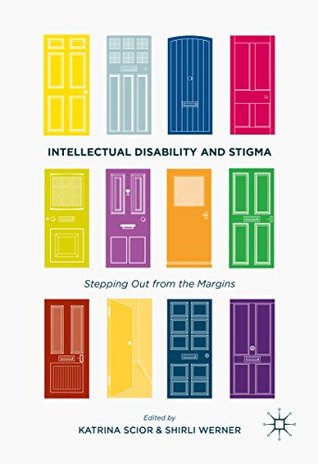
Intellectual disability and stigma: stepping out from the margins - kindle edition by scior, katrina, werner, shirli. Download it once and read it on your kindle device, pc, phones or tablets. Use features like bookmarks, note taking and highlighting while reading intellectual disability and stigma: stepping out from the margins.
The clinical bulletin of the developmental disabilities division intellectual disability and stigma: an ontario perspective introduction� dsm-5 has introduced the term “intellectual disability” replacing “mental retardation” to refer to individuals with significant impairments in intelligence and adaptive functioning that onset before age 18 (paris 2013).
Most available intellectual disability (id) attitudes scales are outdated. ▻ id stigma impact of stigma on individuals with intellectual disabilities.
Apr 1, 2016 stigma increases psychological distress in people with intellectual disabilities stigma is basically a word for discrimination.
Feb 10, 2020 barriers to sexuality for individuals with intellectual and developmental disabilities: a literature review.
In the previous section, we provided a historical review of societal attitudes toward persons with intellectual disabilities (id, formerly mental reta.
This book examines how intellectual disability is affected by stigma and how this stigma has developed. Around two per cent of the world's population have an intellectual disability but their low visibility in many places bears witness to their continuing exclusion from society.
What is disability stigma? social avoidance – people with disabilities may be left out of social activities, or they may find that friends become more distant after.
Inclusion criteria were adults (between 20 and 65 years old) affected by leprosy and with disabilities (mental and intellectual disabilities were excluded).
The root of stigma in people with intellectual disabilities is based more on exclusion, perception of differences, lack of respect, and lack of a sense of value and dignity—even subhumanity. If society emphasizes the biological basis of intellectual disability, it would be making people even more different.
Jan 6, 2020 there is a dearth of studies that have examined the attitudes of society toward people with intellectual disabilities (ids) on a global scale.
A historical review of intellectual disabilities and social stigma stigma refers to a visible mark or brand that serves to identify a trait or condition. This trait or condition is judged socially undesirable or dangerous.
Aug 8, 2017 they rely even more on the love and care of their parents, family and the wider community.
The stigma quiz was developed to help gauge whether they have stigmatizing thoughts about people with disabilities.
Abstract purpose: individuals with intellectual disabilities (id) and individuals with mental illness are consistently found to be among the most socially excluded populations and continue to face substantial health, housing, and employment disparities due to stigma.
This stigma causes internalized ableism and leads to people with intellectual disability disassociating from other people with intellectual disability in an attempt to cope with this stigma.
Throughout the world, children and adults with intellectual disabilities face social exclusion, marginalization, discrimination, and abuse. This chapter provides an overview of the effects of stigma in perpetuating social inequalities and violating the basic human rights of people with intellectual disabilities.
The navigating stigma (navigating stigma: people with intellectual disability creating inclusive communities) project was designed to strengthen ireland's efforts toward the social inclusion of people with intellectual disability by drawing from international case studies and building research capacity within the community of people with.
Research has demonstrated that people with mental illness and intellectual disabilities are among the most stigmatized of all social groups (tringo, 1970; thomas.
In doing so, we argue that the stigma around intellectual disability severely impacts people with intellectual disability’s sense of culture and identity. This stigma causes internalized ableism and leads to people with intellectual disability disassociating from others with intellectual disability in an attempt to cope with this stigma.
Jul 30, 2018 families of people with intellectual disabilities in kinshasa, democratic republic of the congo experience personal and family-level stigma.
Combatting intellectual disability stigma: testing an e-intervention with nigerian.
Materials and methods two hundred and ten caregivers of people with intellectual disability (cpid) and 108 caregivers of people with mental illness ( cpmi) were.
The stigma of intellectual disabilities is as troubling for people with these disabilities as the impairments that accompany them.
People with disabilities have been dealing with stigma throughout history, and this manifests through the following ways: social avoidance – people with disabilities tend to get isolated when able-bodied people choose to leave them out of social activities.
The authors concluded that “a lack of social acceptance was an area of major concern for these individuals” this essay explores intellectual disability and stigma from an ontario perspective in relation to clinical phenomenology, social history and neglect by mental health professionals.
Background: there is a lack of validated instruments measuring perceived stigma in people with intellectual disability. Aims: to develop a valid and reliable self-rated instrument to measure perceived stigma that can be completed by people with mild to moderate intellectual disability.
About 2% of the worldwide population has an intellectual disability and they remain a highly stigmatized group.
To develop a valid and reliable self-rated instrument to measure perceived stigma that can be completed by people with mild to moderate intellectual disability.
There is a dearth of studies that have examined the attitudes of society toward people with intellectual disabilities (ids) on a global scale. This study set out to gauge the extent to which id continues to be stigmatized and to which initiatives are in place to increase their inclusion and tackle stigma around the globe.
Toward understanding intellectual disability stigma� introduction / katrina scior measurement methods to assess intellectual disability stigma / shirli werner how stigma affects the lives of people with intellectual disabilities� an overview / nicole ditchman, kristin kosyluk, eun-jeong lee, and nev jones.
May 9, 2018 people with intellectual disabilities, severe mental health conditions, albinism, and sensory disabilities are often more stigmatised than people.
Jul 26, 2015 the newest edition of the handbook of mental disorders replaces “mental retardation” with “intellectual disability.
Purpose: individuals with intellectual disabilities (id) and individuals with mental illness are consistently found to be among the most socially excluded.
Stigma, public awareness about intellectual disability and attitudes to inclusion among different ethnic groups.
Purpose: individuals with intellectual disabilities (id) and individuals with mental illness are consis- tently found to be among the most socially excluded populations and continue to face substantial health, housing, and employment disparities due to stigma.
Stigma, prejudice, and discrimination: within society, these attitudes may come from people’s ideas related to disability—people may see disability as a personal tragedy, as something that needs to be cured or prevented, as a punishment for wrongdoing, or as an indication of the lack of ability to behave as expected in society.
Reducing the stigma of intellectual disabilities: the evolution of modern medical explanations reducing the stigma of intellectual disabilities: the evolution of modern medical explanations in the previous section, we provided a historical review of societal attitudes toward persons with intellectual disabilities (id, formerly mental retardation).
Post Your Comments: