Download Bacteria and Fungi from Fish and other Aquatic Animals: A Practical Identification Manual, 2nd Edition - N.B. Buller | PDF
Related searches:
Bacteria and Fungi from Fish and Other Aquatic Animals, 2nd
Bacteria and Fungi from Fish and other Aquatic Animals: A Practical Identification Manual, 2nd Edition
Bacteria and Fungi from Fish and Other Aquatic Animals - CABI.org
Bacteria and fungi from fish and other aquatic animals: A - DOI
Bacteria and Fungi from Fish and Other Aquatic - Amazon.com
Bacteria and Fungi from Fish and other Aquatic - Amazon.com
Bacteria and Fungi from Fish and Other Aquatic Animals - Bookshop
Bacteria and Fungi from Fish and Other Aquatic Animals: A
9781845938055 - Bacteria and Fungi from Fish and Other
9781845938055: Bacteria and Fungi from Fish and Other Aquatic
Bacteria and Fungi from Fish and Other Aquatic Animals : A
Bacteria and Fungi From Fish and Other Aquatic Animals: A
Aerobic bacteria and fungi from skin lesions of fish in Khartoum state
ISOLATION AND IDENTIFICATION OF FUNGI FROM DRIED FISH AND
Disorders and Diseases of Fish - All Other Pets - Veterinary Manual
Humans may harbor more than 100 genes from other organisms
Germs: Viruses, Bacteria, and Fungi Animal Planet
Fish Health, Fungal Infections, and Pfiesteria: The Role of the U.S.
Fish disease and parasites - Wikipedia
Chapter 12: Bacteria, Protists, and Fungi
(PDF) Pathogenicity Test of Bacterial and Fungal Fish Pathogens in
Fungus disease in fish, diagnosis and treatment - Veterinary World
How to treat Fungus and Bacteria in aquarium fish - Pond Aquarium
Terrestrial Pathogens and Diseases National Invasive Species
The Nutritional Values of Microbial Live Feeds and their - Cronicon
Fungi in the Marine Environment: Open Questions and Unsolved
(PDF) Microbial Quality of Fish and Fish Products
Types of Microorganisms in Food and Food Spoilage
Vitamin B 12 sources and microbial interaction
How do salt and sugar prevent microbial spoilage
Diversity of Bacteria and Fungi Associated with Freshwater Fishes
12.17 Consumers and Decomposers - CK-12
Algae–bacteria interactions: Evolution, ecology and emerging
(PDF) Overviews of the treatment and control of common fish
Plants and the bacteria at the root of it all
Bacteria and Viruses FoodSafety.gov
Scientists Want to Use Bacteria to Clean Up Oil Spills - And
Lichens Fungi Algae and Bacteria Work together
Viruses, Fungi, Bacteria and Protists - Notes - Biology Mrs
Isolation of novel chitinolytic bacteria and production
Bacterial Infections: Symptoms, Causes, Diagnosis, and Treatment
Bacteria and fungi from fish and other aquatic animals, 2nd edition: a practical identification manual.
This provides the cleaner fish with food and protection and keeps the larger fish clean and less prone to infections.
Bacterial, viral) increase the susceptibility of fish to fungal infections.
Fish are susceptible to contamination by bacteria, fungi, parasites, and fungi toxins. For meat products under aerobic conditions should be 100 cfu / g (el-aziz, 2015).
Saprolegnia (also known as water mold, oomycete infection, or winter kill), is an opportunistic fungal pathogen in there are so many different species that every fresh.
Bacteria and viruses are the most common cause of food poisoning. The symptoms and severity of food poisoning vary, depending on which bacteria or virus has contaminated the food. To prevent illness, always follow the food safety steps: clean, separate, cook, and chill. Other prevention tips for specific bacteria and viruses are included below.
Jul 11, 2019 other fungi live as parasites within marine plants, algae, and animals. Bacteria called photobacterium, which take up residence in the fish's.
Learn about gmos (transgenic animals, insects, plants, and bacteria), commercial applications for them, and some of the issues surrounding gmos.
Yeasts are unicellular fungi that are much larger than bacterial cells. Thiaminase, meats, fish, destruction of thiamine another chemical reaction that causes major food spoilage is nonenzymatic browning, also known as the mailla.
Because viruses, bacteria, and fungi cause many well-known diseases, it is common to confuse them, but they are as different as a mouse and an elephant. A look at the size, structure, reproduction, hosts, and diseases caused by each will shed some light on the important differences between these germs.
Similar to other animals, fish can also suffer from different diseases. Disease is a prime agent affecting fish mortality, especially when fish are young.
Buy bacteria and fungi from fish and other aquatic animals: a practical identification manual on amazon.
The symbiotic relationship between algae and fungi is lichen� the fungal component is called mycobiont while the algae component is called phycobiont. The fungal component absorbs water and minerals and provide them to algae which uses them along.
This is the basic and most common arrangement among lichen species: fungi supporting and protecting algae. In a few lichen forms, cyanobacteria are included in the contract. Cyanobacteria, formerly called “blue-green algae,” aren’t algae at all but strands of bacteria with the ability to photosynthesize.
In a recent study, we used dna analysis to confirm that certain kinds of marine bacteria efficiently broke down some of the major chemical components of oil from the spill. We also identified the major genetic pathways these bacteria used for this process, and other genes, which they likely need to thrive in the gulf.
Algae and bacteria together influence ecosystems as varied as deep seas to lichens and represent all conceivable modes of interactions — from mutualism to parasitism. Several studies have shown that algae and bacteria synergistically affect each other's physiology and metabolism, a classic case being algae–roseobacter interaction.
Other organisms use bioluminescence to attract mates, to lure potential prey, or as a means of communication. Bioluminescent organisms� bioluminescence is observed among a number of marine organisms. This includes jellyfish, crustaceans, algae, fish, and bacteria. The color of the light emitted by marine organism is most commonly blue or green.
Bacteria and fungi are responsible for the decomposition of dead seagrass blades. Microfauna and meiofauna colonize the dead seagrass blades, feeding on the bacteria and fungi as well as on the dissolved organic matter released from the decomposing blades.
A total of 15 different soil samples were aseptically collected from different regions of lucknow, india. The location of collected soil was rhizosphere of maize, wheat and rice, fish market and pond. For screening of chitinase producing bacteria, the agar medium amended with colloidal chitin was used.
Bgd is caused by a number of different bacteria that infect the gills of fish. The disease is characterized by the presence of large numbers of filamentous bacteria.
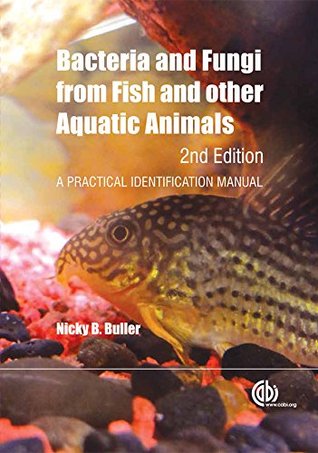
This practical book provides an updated resource for the identification of bacteria found in animals inhabiting the aquatic environment, illustrated with colour photos. It contains expanded biochemical identification tables to include newly identified pathogenic and saprophytic bacteria, molecular identification tests now available for a greater number of aquatic bacterial pathogens, more.
Fungus and finrot are often secondary infections of wounds on the fins or skin caused by� aggression from other fish in the aquarium; damage caused by handling.
Other examples include bacteria that colonize human skin and digestive tracts, goby fish that live in burrows dug by marine shrimps, and aphids that feed on plant sap and excrete a sweet honeydew.
Bacteria and fungi from fish and other aquatic animals: a practical identification manual, 2nd edition this second edition of the book bacteria and fungi from fish and other aquatic animals, a practical identification manual details the steps taken to isolate and identify an unknown bacterium.
Treseder's research explores how fungi decide whether to use limited energy and resources to decompose material or for other processes.
To isolate and identify the fungi from dried fish and other seafoods sold in local market and selected supermarket in batangas city, the researchers used a descriptive method in conducting the study. Portion of fungal growth were stained with lactophenol cotton blue.
Infections caused by bacteria, protozoa, viruses, fungi, or parasites may also occur.
Freshwater game fish is generically referred to as “red sore disease. Bacteria and/or fungi, which ultimately results in formation drophila or other bacteria.
In other words, it can’t be rotted away by bacteria and fungi, as is nature’s normal method of recycling the materials. Chemically produced plastics are made of multiple units of molecules such as polypropylene, polyethylene and polystyrene – which most bacteria and fungi cannot digest or breakdown.
Other fungi live as parasites within marine plants, algae, and animals. It is challenging to study the extremely small fungi in their preferred marine environments, where nutrients are abundant, but they play important roles in the ecosystem—from recycling nutrients to infecting larger species, such as coral or lobster.
Bacteria and fungi from fish and other aquatic animals a practical identification manual. By: nicky buller, department of agriculture and food, western australia, australia december 2014 hardback 904 pages 9781845938055.
Bacteria on fresh fish are concentrated on the outer slime, gills and intestine. Spoilage of salt- and freshwater fish occurs in similar ways; the most susceptible part of the fish to spoilage is the gill region� and the best way to detect spoilage in fresh fish is to sniff this area for off odors produced by pseudomonas and acinetobacter.
Bacteria and fungi from fish and other aquatic animals: a practical identification manual. Description this second edition of the book bacteria and fungi from fish and other aquatic animals, a practical identification manual details the steps taken to isolate and identify an unknown bacterium.
This practical book provides an updated resource for the identification of bacteria found in animals inhabiting the aquatic environment, illustrated with.
Fungi are heterotrophic and release enzymes into the surrounding environment that break down compounds and nutrients into forms that are usable by the fungi and other organisms. Through this, they aid in nutrient cycling, decomposition, and provide a valuable food source to other organisms.
Lab making yogurt amounts that fish and other organisms can die, as shown in figure.
The causative agents are different chemicals, invertebrates, bacteria, fungi, parasites, viral species and even other cell lines. In this retrospective study, cell lines from various species such as human, fish, insect, animals either offered or accessed through usual official accession in cgbri were studied during 2 years (2002-2004) to detect.
In aquatic environments, most phytoplankton acquire vitamin b 12 through a symbiotic relationship with bacteria, and they become food for larval fish and bivalves. Edible plants and mushrooms rarely contain a considerable amount of vitamin b 12� mainly due to concomitant bacteria in soil and/or their aerial surfaces.
The nematode totes the bacteria around in its gut until it finds a suitable victim, such as a fat caterpillar.
It is caused by a microsporidian fungal parasite in its intestines. Like humans and other animals, fish suffer from diseases and parasites. Fish defences against 1980 there has been a sharp increase of parasites in the types of marine.
However, other fish like anchor catfish are very sensitive to it and should never be exposed to salt. To make sure your fish can endure the salt treatment, start with a low concentration of 1 tablespoon of salt per 3 gallons of water. If the fish is healed after one week, gradually remove the salt via a series of weekly 30% water changes.
Unlike bacteria and fungi, which absorb dissolved organic compounds from their environment, heterotrophic protozoa (such as the amoebas and paramecium) consume other organisms such as algae, bacteria, or other protists. Together with other microorganisms, protozoa make up the biofilm coating sediments and hard surfaces on riverbeds, though some.
Bacteria and aquatic fungi compete for available leaf space–fungi are often on the losing side of this battle–but sometimes the bacteria and fungi coexist, each focusing on the types of materials they are best equipped to digest: low molecular weight compounds for bacteria and high molecular weight compounds for fungi (mille-lindblom, 2005).
Some bacteria serve as a first line of a plant’s defense against pathogenic bacteria, fungi and other parasites. Pseudomonas species have been implicated as protective bacteria that suppress root-fungus disease. Streptomyces diastatochromogenes produces an antibiotic that inhibits the growth of potato scab disease-causing bacteria.
A number of examples of mutualism can be observed between a variety of organisms (bacteria, fungi, algae, plants, and animals) in various biomes. Common mutualistic associations occur between organisms in which one organism obtains nutrition, while the other receives some type of service.
When many people think of organisms, they think of bacteria and fungi, which are microorganisms, or very small organisms. Other defining characteristics of being an organism include some level of response to stimuli, reproduction, growth and development, and self-regulation, which is also known as homeostasis.
Fungi play an important role in energy cycling within, and between, ecosystems. Fungi are found in terrestrial, marine and freshwater environments, and are part of a diverse community of “decomposers” that break down dead plants and animals. Aside from fungi, this community includes bacteria, tiny invertebrates, such.
Tiny producers such as algae, bacteria, and seagrass absorb minute amounts of these pollutants. Primary consumers, such as sea turtles and fish, eat the seagrass. They use the energy and nutrients provided by the plants, but store the chemicals in their fatty tissue. Predators on the third trophic level, such as sharks or tuna, eat the fish.
In fermented meats it is useful in the control of spoilage lactic acid bacteria and pathogenic bacteria like salmonella, listeria and staphylococcus and promotes the growth of starter cultures. Fish and sea products: it is in combination of other bacitracins it is extensively used in the control of fish and other sea foods.
Dec 25, 2019 columnaris is caused by a bacteria and will require very different treatment.
Viruses, parasites, protozoa, fungi, worms, and prions (infectious protein particles) can all cause infections. Viruses are 10 to 100 times smaller than bacteria, while parasites, protozoa, and fungi are larger than bacteria.
Bacteria and fungi from fish and other aquatic animals by nicky buller, 9781845938055, available at book depository with free delivery worldwide.
Fish who develop fungus are already in a vulnerable state, the result of other serious health problems or attacks, such as parasites, a physical injury or a bacterial.
Temperature is one of the ways you can kill pathogenic bacteria in your home. You can do this by boiling water and cooking food to the correct temperature.
5 fungi� yeasts and oomycetes from fish and other aquatic organisms 6 techniques for the molecular identification of bacteria 7 preparation of media for culture and identification 8 further and other information sources common name scientific name glossary of terms references index.
Post Your Comments: